

The Reality of Legal Representation
Entering into a legal dispute is often one of the most stressful experiences a person can endure. When individuals finally hire an attorney, they frequently expect immediate relief and rapid results. However, the reality of the legal system is often slow, bureaucratic, and highly unpredictable. Establishing realistic lawyer client relationship expectations from the very beginning is the most effective way to minimize frustration and ensure a productive partnership. A successful legal outcome depends just as much on a healthy working relationship as it does on the attorney’s legal expertise.
Many clients base their expectations of legal representation on dramatic television shows or sensationalized news stories. In fiction, complex cases are resolved neatly within an hour, and attorneys are constantly available to answer every minor question. In reality, litigation can drag on for years, and attorneys are balancing the needs of dozens of different clients simultaneously. Bridging the gap between these fictional portrayals and the reality of legal practice is essential for your peace of mind.
The foundation of any strong relationship is clear, honest communication. You and your attorney must be on the same page regarding the goals of the representation, the anticipated timeline, and the financial costs involved. If you enter the relationship expecting your lawyer to act as a therapist or a constant companion, you will inevitably be disappointed. Understanding the professional boundaries of the attorney-client dynamic is crucial.
It is important to remember that you are hiring a legal professional, not purchasing a guaranteed outcome. An attorney’s job is to navigate the legal system on your behalf, advocate for your best interests, and provide objective advice. By aligning your expectations with the realities of the legal process, you empower yourself to be a constructive participant in your own case rather than a passive, frustrated observer.
Understanding the Pace of the Legal System
One of the most common sources of client dissatisfaction is the perceived lack of progress in their case. The legal system operates at a notoriously glacial pace. Courts are frequently backlogged, opposing counsel may request numerous extensions, and gathering necessary evidence can take months. It is entirely normal for weeks to pass without any significant developments in your file.
Your attorney has very little control over the court’s schedule or the actions of the opposing party. While they should proactively push the case forward whenever possible, they cannot force a judge to rule faster or compel an uncooperative witness to respond immediately. Expecting rapid, continuous action will only lead to anxiety. You must cultivate patience and understand that silence from your attorney often simply means there is no new information to report.
During your initial meetings, ask your attorney for a realistic timeline of the major milestones in your case. While they cannot provide exact dates, they can give you a general framework of what to expect over the next six to twelve months. Having this roadmap will help you manage your expectations and reduce the urge to constantly check in for updates when none are available.
Establishing Communication Boundaries

Effective Lawyer Communication is vital, but it must be structured and professional. A major point of friction in the lawyer-client relationship occurs when clients expect their attorney to be available 24/7. Attorneys spend significant portions of their day in court, in depositions, or in intensive drafting sessions where they cannot be interrupted. They simply cannot answer every phone call the moment it rings.
You must establish clear communication protocols early in the relationship. Discuss how you prefer to receive updates (email vs. phone ) and ask the attorney what their standard response time is for non-emergency inquiries. A professional standard is typically 24 to 48 business hours. If you send an email on a Friday evening, you should not expect a response until Monday or Tuesday.
Furthermore, understand that every time you contact your attorney, you are likely being billed for their time. Calling your lawyer daily for minor reassurances will rapidly deplete your retainer and inflate your final bill. To manage costs and respect your attorney’s time, compile your questions into a single, concise email sent once a week. This structured approach is far more efficient than frequent, fragmented communication.
If a true emergency arises, your attorney should have a protocol in place for immediate contact. However, you must accurately distinguish between a legal emergency (e.g., you have been arrested or served with a restraining order) and general anxiety about your case. Respecting these communication boundaries demonstrates professionalism and fosters a more collaborative working environment.
The Role of the Support Staff
Many clients feel slighted when they call the law firm and are directed to a paralegal or a legal assistant instead of the senior attorney. This reaction stems from a misunderstanding of how modern law firms operate. Support staff play a crucial role in managing the administrative and procedural aspects of your case, allowing the attorney to focus on high-level legal strategy.
Paralegals are highly trained professionals capable of handling document collection, drafting routine correspondence, and providing basic status updates. Communicating with a paralegal is often much more cost-effective for you, as their hourly billing rate is significantly lower than the attorney’s rate. You should view the support staff as an integral part of your legal team, not as a barrier keeping you from your lawyer.
However, if you have a substantive legal question regarding the strategy or potential outcome of your case, you absolutely have the right to speak directly with your attorney. The key is to utilize the support staff for administrative tasks and reserve your attorney’s time for critical legal analysis. Building a positive relationship with the entire legal team will greatly enhance your overall client experience.
The Importance of Objective Advice
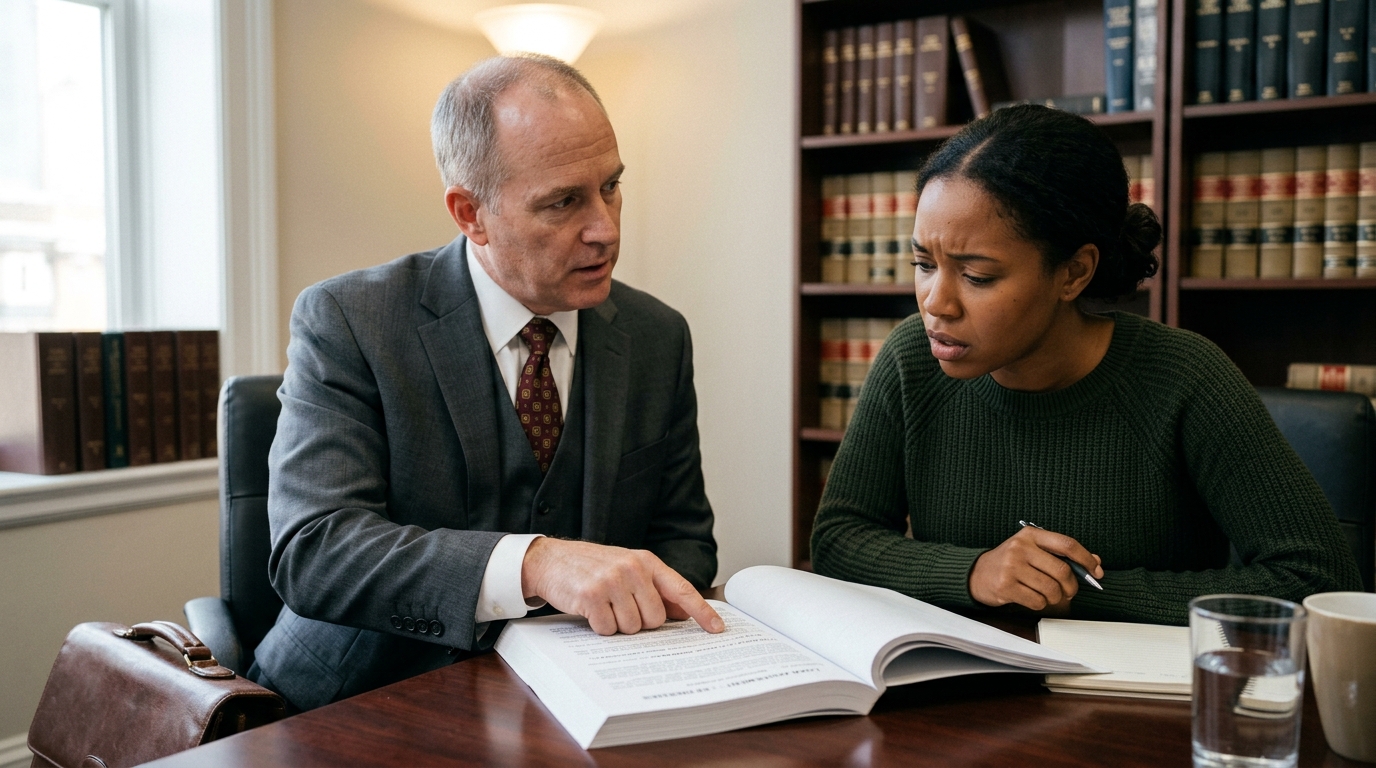
You are hiring an attorney to provide objective, legally sound advice, not to validate your emotional perspective. Legal disputes are inherently emotional, and it is natural to feel angry, betrayed, or defensive. However, the law does not operate on emotion; it operates on facts, evidence, and precedent. Your attorney’s job is to evaluate your situation dispassionately and tell you the truth, even when that truth is difficult to hear.
A good lawyer will not simply tell you what you want to hear. If your case has significant weaknesses, or if your desired outcome is legally impossible, they have an ethical obligation to inform you. You must be prepared to receive constructive criticism and adjust your expectations based on their professional assessment. Arguing with your attorney about the reality of the law is counterproductive and damages the working relationship.
When you review your Engagement Agreements, pay attention to the scope of representation. The agreement defines exactly what the attorney is hired to do. If you expect them to handle matters outside that scope, you will be disappointed. Clear documentation of the goals and limitations of the representation protects both you and the attorney from future misunderstandings.
Ultimately, a successful lawyer-client relationship is a partnership based on mutual respect and realistic expectations. You must trust your attorney’s expertise, respect their professional boundaries, and remain patient with the legal process. By approaching the relationship with maturity and clear communication, you significantly increase the likelihood of a positive and efficient legal resolution.
Your Responsibilities as a Client
The attorney-client relationship is a two-way street. Just as you expect professionalism and diligence from your lawyer, they expect cooperation and honesty from you. Your attorney cannot effectively represent you if you withhold information, lie about the facts, or fail to provide requested documents in a timely manner.
You must be an active participant in your own case. This means promptly returning phone calls, attending scheduled meetings, and completing any “homework” your attorney assigns you, such as gathering financial records or compiling a list of witnesses. Your failure to cooperate can severely prejudice your case and may even give the attorney grounds to withdraw from the representation entirely.
By fulfilling your responsibilities and maintaining realistic expectations, you create an environment where your attorney can do their best work. The legal system is challenging enough without internal conflict between you and your legal counsel. A strong, communicative partnership is your most valuable asset in any legal dispute.